RVs Melbourne: Unlocking the Potential of Recreational Vehicles in Australia’s Cultural Hub
Introduction
Welcome to an in-depth exploration of a unique and dynamic segment within the global travel and automotive industry—RVs Melbourne. This article aims to navigate the world of recreational vehicles (RVs) specifically tailored for the vibrant city of Melbourne, Australia. By delving into various aspects, from historical development to technological innovations, we will uncover the significance, impact, and future prospects of RVs in this iconic metropolis. With a focus on comprehensive analysis, real-world examples, and expert insights, readers will gain a profound understanding of how RVs are transforming travel, leisure, and urban experiences.
Understanding RVs Melbourne: A Definition and Historical Perspective
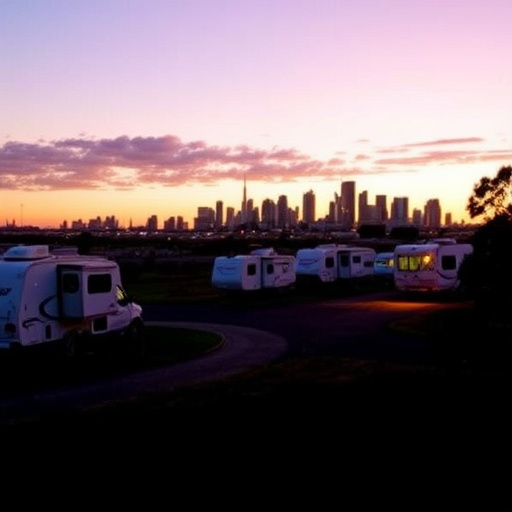
Definition: RVs Melbourne refer to recreational vehicles designed for extended stays in urban environments, offering a unique blend of mobility and home-away-from-home comfort. These vehicles are tailored to meet the specific needs and preferences of Melbourne residents and visitors alike, ensuring an enhanced travel experience within the city’s vibrant landscape.
Historical Context: The concept of RVs has evolved over decades, with its roots tracing back to the post-World War II era in North America. Initially, these vehicles were primarily for camping and outdoor adventures. However, as urban centers expanded and leisure activities diversified, the demand for more sophisticated RVs capable of navigating metropolitan areas grew. Melbourne, with its thriving culture, diverse attractions, and year-round pleasant climate, became a natural testing ground for this evolving industry.
Over time, RV manufacturers in Australia, inspired by international trends and local market demands, introduced specialized models tailored to Melbourne’s unique offerings. These vehicles are designed to integrate seamlessly into the city’s vibrant tapestry, providing access to hidden gems, cultural events, and culinary delights that might otherwise be missed by traditional tourists.
Global Impact and Trends Shaping RVs Melbourne
The global influence on the RV industry is undeniable, with Australia not exempt from these trends. International travelers’ increasing preference for immersive, self-driven vacations has significantly impacted the demand for RVs worldwide, including in Melbourne. Key trends shaping the market include:
Sustainable Travel: There is a growing trend towards eco-friendly and sustainable travel choices. Many RV manufacturers are incorporating electric and hybrid power systems, solar panels, and energy-efficient appliances, appealing to environmentally conscious travelers.
Technological Integration: Modern RVs are increasingly packed with advanced technology, from smart home systems to integrated entertainment centers. This trend reflects the tech-savvy nature of today’s travelers, who expect connectivity and convenience while on the move.
Luxury and Customization: The demand for luxurious and customized RVs is rising. High-end models offer spacious interiors, gourmet kitchens, and entertainment suites, catering to those seeking a five-star experience during their travels.
Urban Exploration: As cities become more walkable and culturally rich, urban exploration has gained popularity. RVs tailored for metropolitan areas allow travelers to immerse themselves in city life while enjoying the flexibility of exploring at their own pace.
Melbourne’s diverse cultural scene, renowned culinary experiences, and proximity to natural attractions make it a prime destination for these global trends. International travelers often seek authentic, immersive experiences, and RVs Melbourne provide an ideal platform to deliver such unique travel opportunities.
Economic Considerations: Market Dynamics and Investment Opportunities
The economic impact of RVs Melbourne is multifaceted, influencing various sectors within the city’s economy.
Market Dynamics: The RV market in Australia has experienced steady growth, with Melbourne emerging as a significant hub. According to a recent report by the Australian Motor Industry (AMI), the recreational vehicle industry contributed approximately $3.5 billion to the country’s GDP in 2022. This growth is attributed to factors such as increased leisure time, rising disposable incomes, and the post-pandemic era’s emphasis on domestic travel.
Melbourne’s diverse economy, powered by tourism, hospitality, and retail sectors, provides a robust environment for RV-related businesses. The city attracts over 16 million visitors annually, many of whom opt for self-driven vehicles like RVs to explore its attractions. This demand creates opportunities for manufacturers, dealers, rental companies, and related services.
Investment Patterns: The RV industry attracts significant investment, with various sectors offering lucrative prospects:
Sector
Investment Opportunities
Manufacturing: Local and international manufacturers can tap into Melbourne’s skilled workforce and established automotive supply chain to produce or assemble RVs.
– Government incentives for local manufacturing – Access to a talent pool of automotive engineers and technicians
Dealer Networks: Establishing or expanding dealership networks in Melbourne can cater to a large customer base, both local and tourist.
– Strong demand from an affluent customer segment – Opportunities for after-sales services and parts supply
Rental Services: The rental market is thriving, with many tourists preferring the flexibility of renting an RV for their stay.
– High repeat business during peak seasons – Potential for long-term partnerships with travel agencies and hotels
Tourism Infrastructure: Investing in RV parks, campgrounds, and related facilities can cater to the growing demand for urban camping experiences.
– Diverse revenue streams through site rentals, amenities, and additional services – Opportunities for collaboration with local tourism bodies
Technological Advancements: Revolutionizing the RV Experience
Technological innovations play a pivotal role in enhancing the RV experience, making it more efficient, comfortable, and exciting. Some significant advancements include:
Smart Home Systems: These systems allow owners to control lighting, temperature, security, and entertainment remotely via mobile apps or voice commands. The integration of IoT (Internet of Things) devices creates a connected home environment, ensuring convenience and energy efficiency.
Advanced Safety Features: Modern RVs are equipped with advanced driver assistance systems (ADAS), including lane-keeping assist, adaptive cruise control, and automatic emergency braking. These features improve safety, reduce accidents, and provide peace of mind while driving in unfamiliar urban environments.
Solar Power and Energy Storage: Solar panels and lithium-ion batteries enable RVs to generate and store their electricity, reducing reliance on external power sources and promoting sustainability. This technology is particularly valuable for off-grid camping or extended stays in remote areas.
On-Board Entertainment: High-speed WiFi, streaming services, and smart TVs enhance entertainment options during journeys. Some models feature interactive touchscreens with access to digital maps, travel guides, and local attraction information, ensuring an engaging and informed experience.
Policy and Regulation: Navigating the Legal Landscape
The development and operation of RVs Melbourne are subject to various policies and regulations, ensuring safety, consumer protection, and environmental sustainability. Key considerations include:
Vehicle Registration and Licensing: In Australia, RVs must be registered and licensed similarly to motor vehicles. State and territorial authorities issue unique registration plates and require regular maintenance and safety inspections.
Road Safety Regulations: Strict guidelines for driver licensing, speed limits, and vehicle standards are enforced to ensure safe operation on public roads. The Australian Government’s National Road Safety Strategy plays a crucial role in shaping these regulations.
Environmental Standards: The industry is subject to environmental protection laws, particularly regarding emissions and waste management. Manufacturers must comply with strict emission standards, and proper disposal of waste materials, such as battery systems, is mandatory.
Consumer Protection: The Australian Consumer Law protects consumers’ rights when purchasing or renting RVs, covering warranty claims, product liability, and unfair trade practices. This legislation ensures transparency and guarantees quality standards.
Challenges and Criticisms: Overcoming Barriers to Growth
Despite its potential, the RV industry in Melbourne faces several challenges and criticisms that require strategic solutions:
Limited Parking Spaces: Finding suitable parking for large vehicles like RVs in crowded urban areas can be challenging. This issue needs collaborative efforts from local governments and private property owners to designate dedicated parking spaces or implement smart parking systems.
Noise and Disturbance: Some residents in urban neighborhoods express concerns about noise levels from RVs, especially during night hours. Implementing quiet zones, setting decibel limits, and encouraging responsible driving can address these issues.
Environmental Impact: While RVs promote sustainable travel, their environmental footprint remains a concern. Manufacturers must continue to innovate, focusing on lighter materials, improved fuel efficiency, and advanced recycling practices to minimize the industry’s ecological impact.
Perception and Education: There is a perception that RV living is a temporary or lesser lifestyle choice. Educating the public about the versatility and benefits of RVs can foster a more inclusive community and encourage long-term adoption.
Case Studies: Successful Applications and Lessons Learned
Case Study 1: Melbourne’s City Campsites
The city of Melbourne has embraced urban camping, transforming underutilized spaces into vibrant campgrounds. For instance, the conversion of an old warehouse district into a modern RV park with boutique accommodations has been a huge success. This project offers:
Key Features: Unique glamping sites, on-site restaurants, and cultural events create an immersive experience.
Impact: Increased local tourism, improved urban-rural connection, and revenue generation for the community.
Lessons Learned: Engaging local artists and businesses can enhance the overall visitor experience, fostering a sense of community ownership.
Case Study 2: Customized RVs for Corporate Events
A local events management company has specialized in providing customized RVs for corporate team-building activities and client entertainment. This innovative approach offers:
Customized Experience: Fully equipped RVs tailored to clients’ preferences, from luxury interiors to on-board games and entertainment systems.
Engaging Team-Building: Remote work sessions, outdoor adventures, and relaxed social gatherings in an RV create memorable team experiences.
Marketing Advantage: Companies can offer unique, sustainable team-building options, attracting and retaining talent.
Future Prospects: Emerging Trends and Strategic Considerations
The future of RVs Melbourne is filled with promising opportunities and potential challenges:
Sustainable Innovation: As environmental concerns persist, RV manufacturers will continue to innovate, focusing on zero-emission vehicles, advanced recycling, and eco-friendly materials. Solar-powered RVs and hybrid models are expected to gain popularity.
Smart City Integration: With Melbourne’s ongoing smart city initiatives, RVs could become integral to urban mobility solutions. Integrated transport systems, real-time traffic data, and seamless payment options may enhance the RV ownership experience.
Off-Grid Adventures: The rise of remote work and digital nomadism will drive interest in off-grid RVs equipped with solar panels, battery storage, and efficient appliances, catering to those seeking extended outdoor experiences.
Tech-Enhanced Safety: Advanced driver assistance systems (ADAS) will become standard features, improving road safety and providing peace of mind for RV owners.
Conclusion: Embracing the RV Revolution in Melbourne
RVs Melbourne represent a dynamic intersection of travel, technology, and urban culture. As global trends continue to shape the industry, Melbourne’s unique position allows it to lead the way in innovative RV solutions. From sustainable advancements to tech-integrated experiences, this city is poised to become a model for RV living worldwide.
By addressing challenges, embracing new technologies, and fostering public understanding, the RV industry can thrive while enhancing the overall travel experience in Melbourne. As we look ahead, the future of RVs promises exciting possibilities, ensuring that Melbourne remains at the forefront of recreational vehicle innovation.
FAQ Section: Answering Common Questions About RVs Melbourne
Q: Are RVs a good investment in Melbourne?
A: Absolutely! The strong demand for RVs in Melbourne, driven by tourism and a growing local market, makes it a lucrative investment opportunity. The rental market, in particular, offers consistent revenue streams.
Q: What are the environmental considerations for RVs?
A: Manufacturers and owners are increasingly adopting eco-friendly practices. This includes using lightweight materials, implementing energy-efficient systems (like solar panels), and promoting responsible waste management to minimize the industry’s ecological footprint.
Q: Can I drive an RV on Melbourne’s roads?
A: Yes, but you must adhere to strict road safety regulations. Vehicle dimensions, weight limits, and driver licensing requirements vary for RVs. It is essential to familiarize yourself with local laws and consider professional driving training if necessary.
Q: Are there any tax benefits for owning an RV in Australia?
A: Yes, there are certain tax advantages. In Australia, RVs are subject to a reduced registration fee known as the ‘Low Emission Vehicle Fee.’ Additionally, some expenses related to RV ownership may be deductible under specific circumstances, but it’s best to consult a tax professional for detailed advice.
Q: How can I find suitable parking for my RV in Melbourne?
A: Local councils and private property developers are increasingly allocating dedicated RV parking spaces. You can also utilize online platforms that offer RV-specific parking information. Additionally, some campgrounds and RV parks provide long-term parking options with various amenities.
For an unforgettable off-road adventure, choose the perfect Off Track RV from Caravan Sales Victoria. Consider size, safety features (like GPS mapping and ADAS), comfort amenities, and efficient kitchenette for a tailored vehicle. Get personaliz…….
In Melbourne, Recreational Vehicles (RVs) are gaining popularity for exploring Australia's landscapes. Off Track RV – Caravan Sales Victoria offers new and used RV models, expert advice, and a comprehensive range of top-quality parts and ac…….
In Melbourne, Off Track RV – Caravan Sales Victoria provides vital roadside assistance tailored for RVs, addressing unique issues from flat tires to electrical failures with 24/7 service at +61 3 9970 1111. Located at 21 Graystone Ct, Epping VIC…….
Seeking an off-the-beaten-path RV camping adventure near Melbourne? Prepare your vehicle, pack essential gear (including satellite communication devices for remote areas), and contact Off Track RV – Caravan Sales Victoria at +61 3 9970 1111 or v…….
When purchasing an RV in Melbourne, customer reviews are essential for making informed decisions due to the wide range of options available from dealers like Off Track RV – Caravan Sales Victoria. Explore dedicated review sites, social media gro…….
Off Track RV in Epping, Victoria offers exclusive deals on caravans and motorhomes for diverse budgets. Customers can browse promotions online or contact +61 3 9970 1111 for personalized assistance. Deals have specific expiry dates, so understan…….
Melbourne residents who own recreational vehicles (RVs) can rely on Off Track RV – Caravan Sales Victoria for expert maintenance guidance, from seasonal checks to complex repairs. They offer personalized assistance, digital resources, and a comp…….
RVs have become popular among Melbourne residents and visitors seeking adventurous travel. Off Track RV – Caravan Sales Victoria offers a range of RVs tailored to diverse lifestyles, leveraging demonstration videos for buyers to explore options…….
Off-Track RVs are purpose-built for adventurous exploration on challenging terrains, contrasting traditional RVs designed for comfort on paved roads. These vehicles, with enhanced features like robust suspension and powerful engines, offer a uni…….
Off Track RV – Caravan Sales Victoria at 21 Graystone Ct, Epping VIC 3076, Australia is a premier destination for RV owners in Melbourne. They offer specialized services, expert advice, and comprehensive solutions for all makes and models of RVs…….
Off-Track RV events in Victoria offer adventurous alternatives to conventional car or caravan shows, connecting enthusiasts through remote areas and outdoor activities. Melbourne's surrounding areas feature renowned tracks like Timberline O…….
Melbourne is a vibrant hub for RV enthusiasts, offering stunning natural landscapes and diverse attractions. Off Track RV – Caravan Sales Victoria provides a wide selection of RVs and expert advice at their central location in Epping VIC. With a…….
In Melbourne, Off Track RV – Caravan Sales Victoria is your trusted guide for RV trade-ins. They offer expert advice on evaluating your used RV or caravan's value based on make, model, age, condition, and recent maintenance. Prepare your ve…….
RVs Melbourne are a popular choice for outdoor enthusiasts, with various types available from compact campervans to spacious motorhomes. Off Track RV – Caravan Sales Victoria offers virtual tours and expert advice at +61 3 9970 1111, helping Mel…….
Off Track RV in Melbourne offers specialized RV delivery, navigating tight spaces and rural roads with expertise. Their services ensure safe, timely, and stress-free RV transport, from consultation to direct delivery. With tailored care for larg…….
Off Track RV – Caravan Sales Victoria is a specialized service center catering to recreational vehicle (RV) owners exploring remote locations. They offer comprehensive services, from routine maintenance to complex repairs and parts replacements,…….
Off Track RV – Caravan Sales Victoria offers a unique selection of one-of-a-kind caravans and motorhomes for adventurous buyers, catering to those who value individuality and customization. They prioritize trustworthy customer reviews, encouragi…….
Customer reviews are essential for purchasing an Off Track RV, offering insights into performance and experiences from fellow RV enthusiasts. Online testimonials cover construction quality, customer service, reliability, and off-terrain performa…….
Melbourne residents looking to explore Australia's landscapes via RV can find a variety of options and expert advice from Off Track RV – Caravan Sales Victoria. They offer demonstration videos for remote viewing, saving time compared to dea…….